
Spirituality
Spirituality in our school
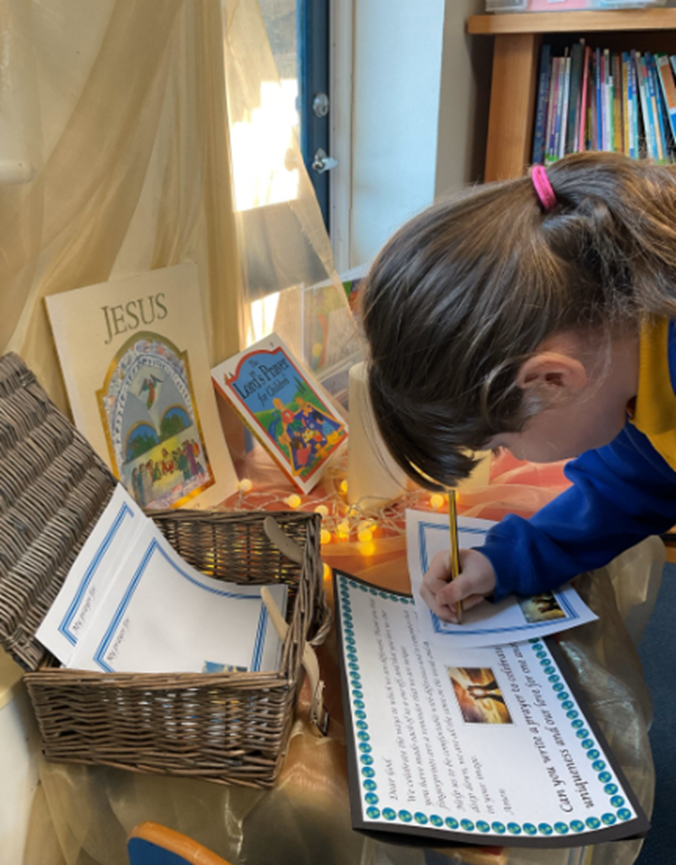
At Pilsley, we have been developing our understanding of Spirituality as a means through which to support flourishing, both as individuals and as a school family.
Spirituality is those small yet transformative moments.
It is about finding awe, wonder and meaning in the world around us.
It is about getting to know ourselves – what inspires us, moves us, challenges us?
It can also be about God and building a relationship with him, but that is just one part.
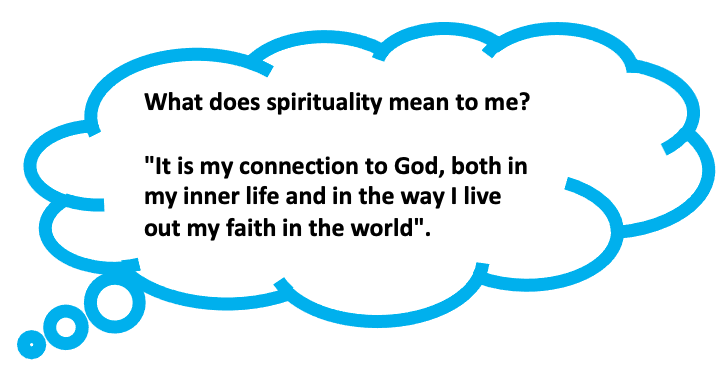
We asked Reverand Mark for his thoughts about spirituality:
SPIRITUALITY - Windows Mirrors and Doors
A focus on spirituality enables our children to be happy and flourish. As a school, we have chosen to use the Windows, Mirrors, Doors concept as a common reflective structure for spirituality:
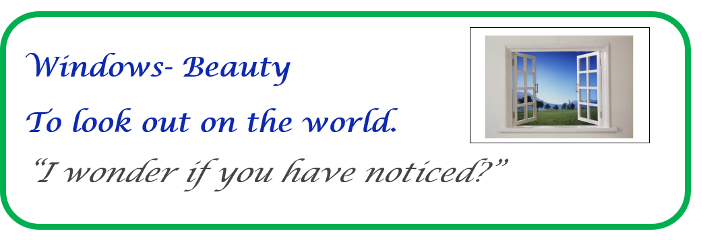
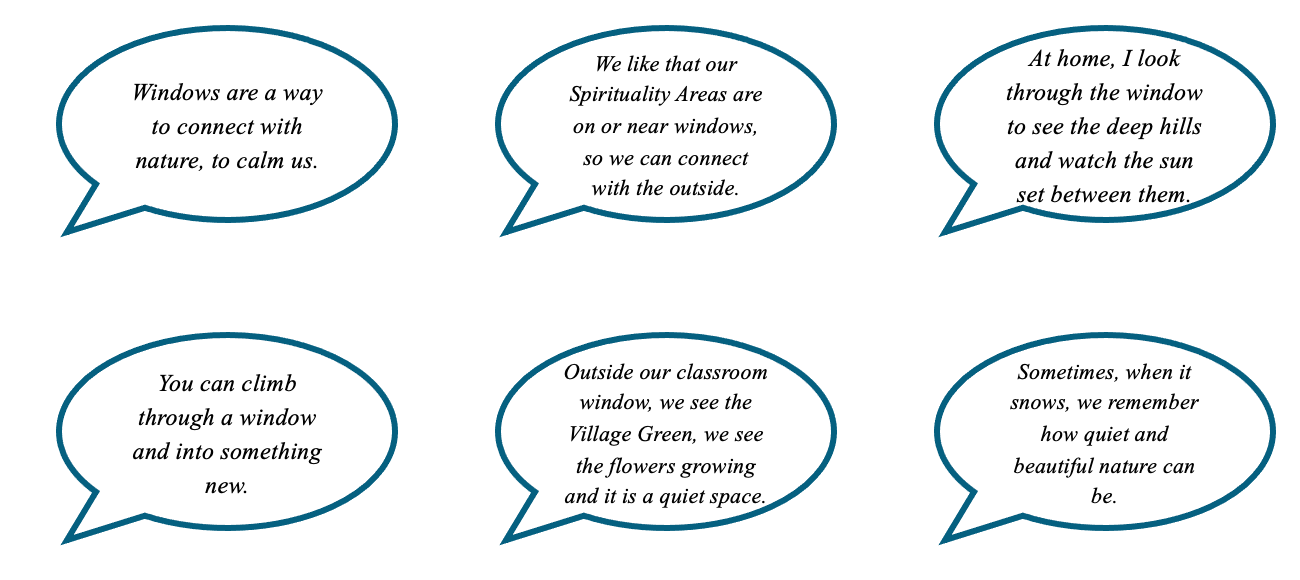
Windows are for looking out onto the world and becoming aware of its wonders, both the ‘wows’ and ‘Oooos’; things that are ‘awe-full’ and make us wonder and be grateful and things that are ‘awful’ and make us wonder and ask questions. The whole curriculum and life itself are full of opportunities to recognise this sensitively.
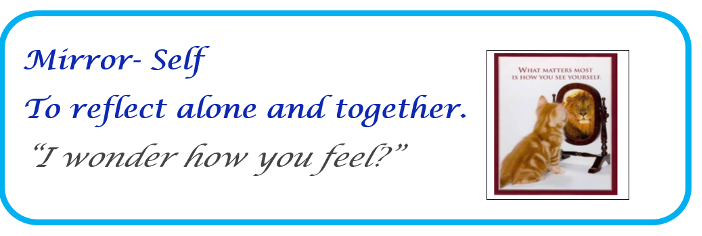
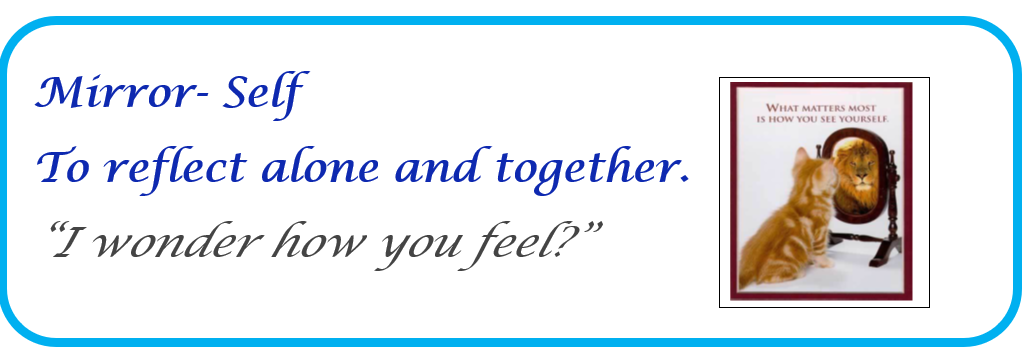
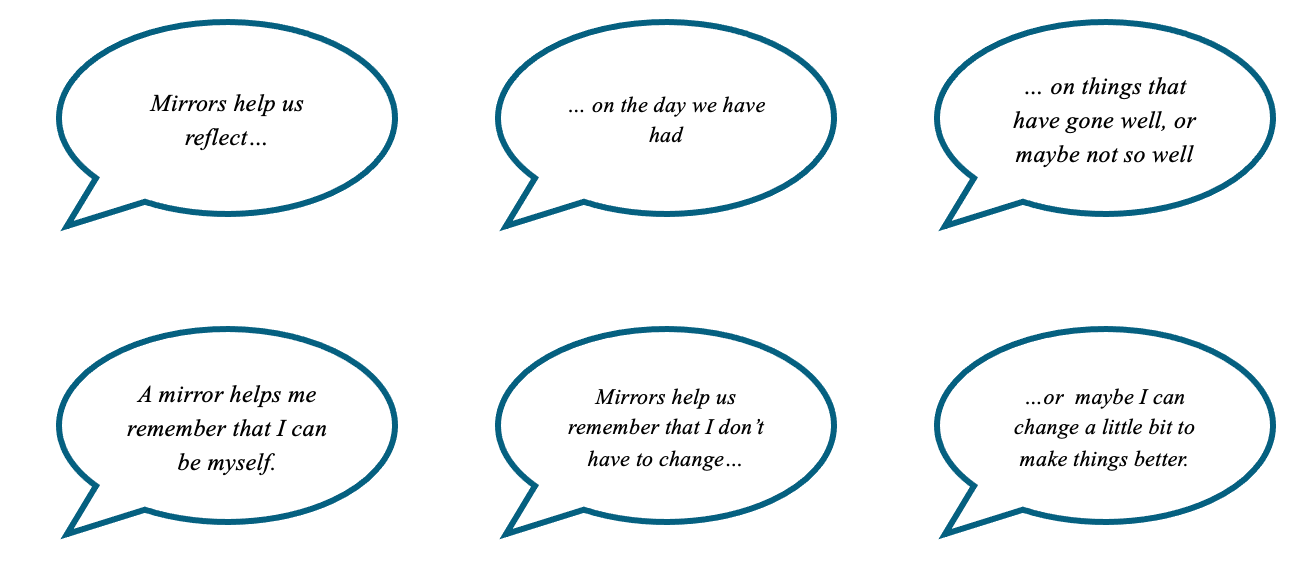
Mirrors are for looking into and reflecting, alone and together, to see things more clearly, for thinking and asking important questions and learning from our own and each other’s responses. In schools we must allow time for this for individual and group reflection and sharing of perspectives. Some subjects and times allow for this specifically, such as religious education and collective worship but in all subjects, there will be opportunities, unexpected or planned, when things just‘ crop up’. Handled sensitively, it is possible to make the most of all these opportunities.
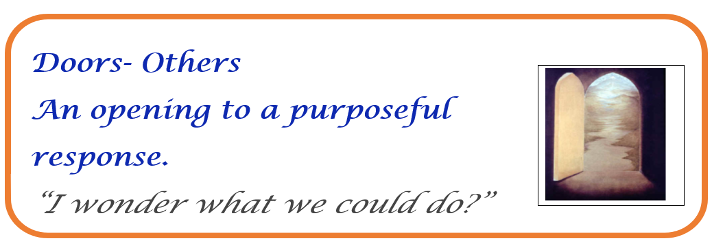
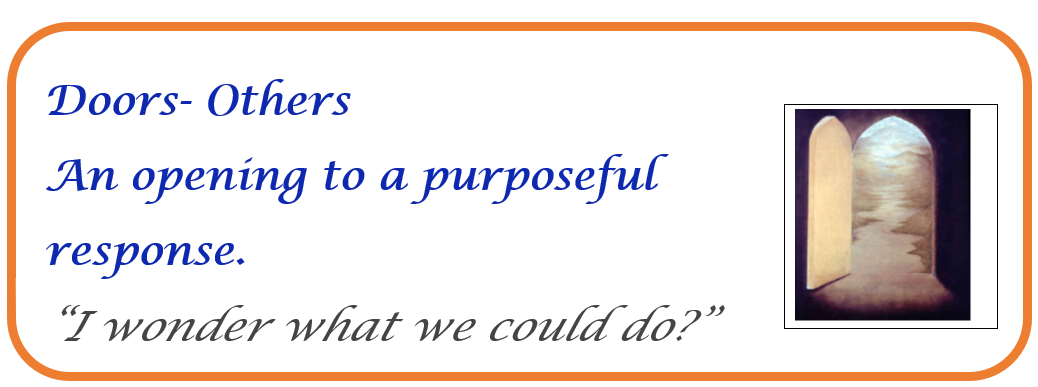
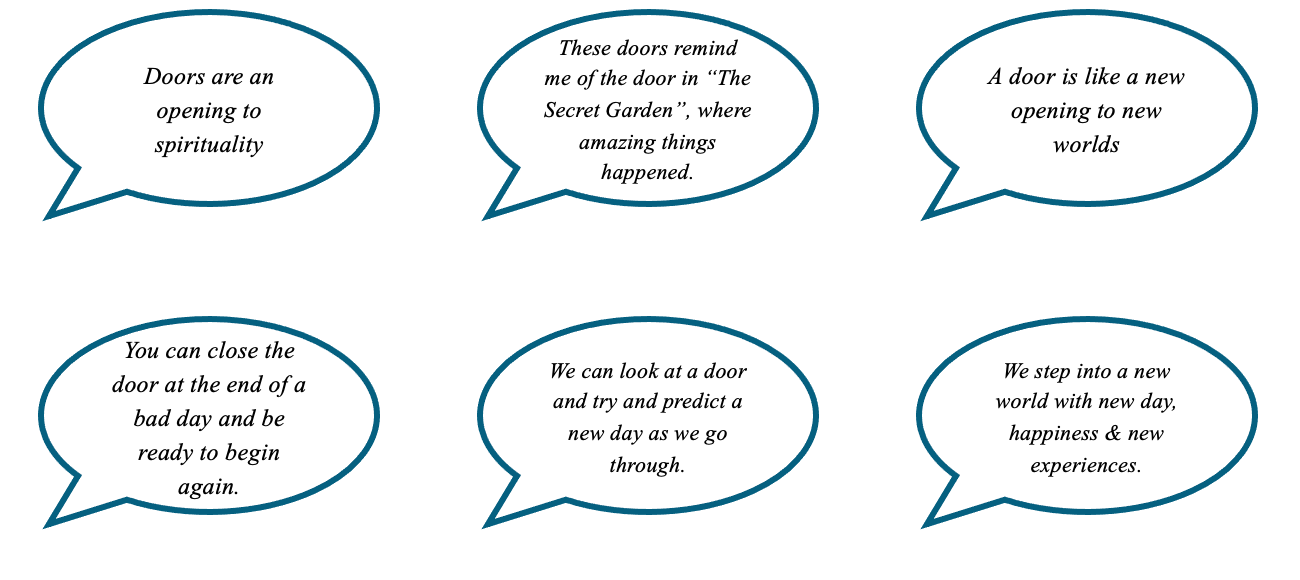
Doors are for looking through in order to then act or express this in some way in response; for moving on, making choices, and doing something creative, active and purposeful in response. This can simply be done through a change in attitude, behaviour or thinking. It can also be expressed powerfully through the creative and performance arts and through some form of social action or specific acts of giving.
Spiritual development will happen in all aspects of school life and beyond. There will be opportunities in the classroom woven throughout our curriculum, there will be space and time given during our collective worship and SMSC learning. We are committed to modelling, leading and supporting all of our school community to enjoy and appreciate the strength and faith in oneself that spirituality can bring.


How we nurture spirituality at Pilsley:
At school we create a culture of respect, compassion, and community.
Our school Christian values are taught, lived out and celebrated.
We make sure there are times of peace and for reflection in the school day.
We spend time in special places such as St. Peter’s Church Edensor and other places of worship.
We share art, music, stories and poems together.
We share moments of awe and wonder.
We encourage respectful debate and questioning and make sure children feel secure enough to ask those 'big' questions.
We foster a love of creation through our school grounds including our Quiet Garden and Forest School area.
We encourage the spirit of 'courageous advocacy' and standing up for what we believe in.
We practice gratitude -
we take time to give thanks and show thanks for the things, the actions and the people that bring us joy.
We learn about our feelings, how to recognise them and live with them.
We foster reflective thinking linked to our Christian values, encouraging us to look inward at our own behaviour and thoughts, outward at the wonderful world around us and considering actions of ourselves and others which make a difference moving forward. Relationships reflect Christian values such as love, forgiveness, and dignity.
Pupils feel safe, valued, and listened to.
Staff model humility, kindness, and respect.
The school environment feels peaceful, welcoming, and purposeful.
We offer opportunities for reflection and stillness:
Quiet spaces exist indoors and outdoors.
Pupils are given time to pause, think, pray, or simply “be”.
Reflection is built into lessons, worship, and pastoral time.